Government to Introduce Plastic Notes of 10 and 20 Rupees! Know How Much Does it Cost to Print

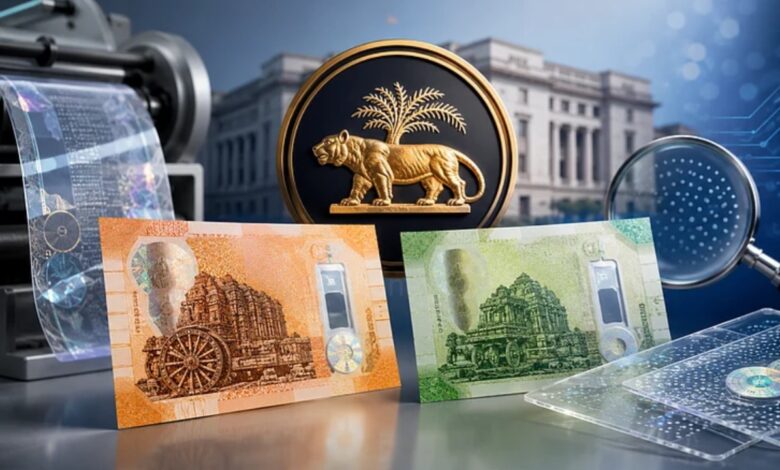
Technical issues often hinder online payments, so a large number of people still carry cash in their wallets. In the near future, you may see a change in the appearance of 10 and 20 rupee notes. This means that you may see plastic notes instead of the regular notes.
Government to Introduce Plastic Notes of 10 and 20 Rupees!
The Reserve Bank of India (RBI) is working on a pilot project for 10 and 20 Rupees notes. RBI has reportedly begun preparations to introduce plastic notes, starting with a pilot for Rs 10 and Rs 20 notes. If the trial is successful, India could gradually join more than 40 countries that already use plastic currency.
As a result, many people are now wondering how much it costs to print these plastic notes? Are they more expensive than regular notes? Go through this article and know details.
How Much Does it Cost to Print Regular Rs 10 and Rs 20 Notes?
Most people in India mistake regular Rs 10 and Rs 20 notes are made from paper, but they are actually made of 100 per cent cotton. According to information obtained through an RTI, the cost of printing these notes is very low. A Rs 10 note costs around 70 paise to Rs 1.01 per note. A Rs 20 note costs around 95 paise to Rs 1 per note.
This clearly means that their printing costs are quite low.
How much will Plastic Notes Cost?
RBI’s note printing company, BRBNMPL (Bharatiya Reserve Bank Note Mudran Private Limited), has floated a global tender for testing plastic notes of Rs 10 and Rs 20. These notes will not be printed on cotton paper like regular notes, but will be produced on a special polymer sheet.
According to media reports, initially printing a plastic note can cost around Rs 2 to Rs 6. This means that printing these notes can be significantly more expensive than regular notes. In such a situation, it is natural for many people to wonder: If these notes are more expensive than regular notes, then why are they being introduced? Despite their high cost, why are plastic notes being introduced?
What are Polymer Note?
Unlike regular note, which are printed on cotton-based paper, polymer notes are made from a special plastic film, usually biaxially oriented polypropylene (BOPP).These notes have a smooth, plastic-like feel and can incorporate security elements such as transparent windows, metallic features and advanced inks that are difficult to replicate. Countries like UK, Australia, Canada, New Zealand and Singapore already use polymer notes.
Why Does RBI Want Plastic Notes?
It is true that the costs of printing plastic notes are higher compared to printing regular notes, but in the long run they are considered more economical. There are a few reasons for this:
- These notes will last longer than regular notes. Rs 10 and Rs 20 notes are used more and are easily torn. But these notes will last longer than regular notes. Polymer notes can last two to four times longer than paper notes, reducing the need for frequent replacement.
- Polymer notes are not easily damaged by water, dust or humidity. Normal notes are damaged by water and humidity. But they are less likely to tear.
- Polymer notes are harder to fake. It can incorporate security elements such as transparent windows, metallic features and advanced inks that are difficult to replicate, India Today reported.
- Unlike paper notes, polymer notes absorb less moisture and dirt, making them more resistant to grime, tears and accidental spills. They are also easier to clean without damaging the note.
- polymer notes are more expensive to manufacture initially, their longer lifespan means fewer replacement cycles, potentially lowering overall currency management costs over time.
Humbly Request To All Visitors!
If you found above both downloading link expired or broken then please must inform admin.