October 1st is here, and with a new month comes a fresh wave of updates that could directly impact your daily budget and routine. From cooking gas prices and banking updates to digital payment regulations and government schemes, top 10 key rule changes have officially gone into effect from today.
On top of that, the prices of several essential goods have taken an upward turn. Whether you are managing household expenses, sending money online, or planning your finances, here is everything you need to know about what’s changing, what’s getting more expensive, and how it affects your wallet starting today!
Top 10 Major Rule Changes Taking Effects From October 1st
1. Commercial Cylinders to Become More Expensive
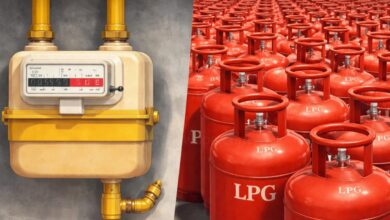
Commercial cylinders to become more expensive from october 1. Oil companies have increased the price of commercial gas cylinders by Rs 70. This will increase the cooking costs of hotels and restaurants. So they may increase the prices of food items. Outdoor catering work may also become expensive.
2. LPG Subsidy will Not be Available Without e-kyc
Customers who are booking LPG gas cylinders at subsidized rates will not be able to get subsidy from October 1, if they have not done biometric Aadhaar authentication (BAA / e-KYC). There will be no change for those who already have e-KYC. Subsidy will be available again by doing e-KYC.
3. Merchant Charges on UPI Payments
A merchant discount rate will be applicable for certain merchant transactions worth more than ₹2,000 from October 15, 2026. However, small shopkeepers who are doing UPI transactions up to Rs 1 lakh per month will not be charged any charges.So, if a small shopkeeper makes 1 lakh UPI transactions per month for 3 consecutive months, the bank will classify them as a large merchant and start charging them. Then, transactions between people will remain free as before.
4. Jet Fuel will be Expensive
Jet turbine fuel, used in aircraft, has become expensive by ₹16 per liter. The price for domestic flights has increased from Rs 121 to Rs 137. About 40% of the operating costs of an airline are fuel. So, if the price of fuel increases, the fares may also increase. As a result, air travel will become more expensive.
5. Electronic Goods to be More Expensive
Electronics companies are increasing the prices of ACs, LED TVs, washing machines and refrigerators by 3% to 8% from October 1. This is the third increase by the companies in 2026. The companies have taken this decision due to the increase in the prices of raw materials like copper, steel, aluminum and crude oil in the international market and the volatility of the currency. These items may be expensive in the Puja Bazaar. However, there are some old stocks, after they are exhausted, these items may be found expensive.
6. Decision on Repo Rate
The RBI’s Monetary Policy Committee will meet for two days from October 5 to October 7. A decision on the repo rate change will be taken in this meeting. This time, there is talk that the repo rate may be increased by 0.25%. The repo rate is 5.25% after the August review meeting. If the RBI increases the repo rate, banks will increase the interest rates on home loans, car loans and personal loans. As a result, EMI will be expensive. Similarly, EMI will be cheaper if the repo rate is reduced.
7. Charges will be Levied on Withdrawing Money from SBI ATMs
Those whose salary is received in their SBI account will get only 5 transactions free if they withdraw money using ATMs or ADWM machines of other banks. After that, charges will be levied. Earlier, this limit was 10. This includes balance inquiry and cash withdrawal.
8. New Rules for Bulk FD Interest Rates
The Reserve Bank of India (RBI) is bringing new rules for determining and disclosing interest rates on bulk fixed deposits (FDs). This rule will also come into effect from October 1, 2026. According to the new rules, banks will have to disclose the interest rates on bulk deposits in advance. Along with this, the bulk deposit interest rate applicable every day at 10 am will also have to be disclosed. Generally, the same interest rate will be paid for the same type of bulk deposit. However, banks can differentiate the interest rates as per the Liquidity Coverage Ratio (LCR) treatment applied to the deposit. However, this change will be for bulk FDs above Rs 3 crore.
9. Changes in NPS Charges
There will also be changes in the charges that can be collected from customers at Point of Presence (PoP) under National Pension System (NPS) and NPS Lite. The revised charge regime by the Pension Fund Regulatory and Development Authority (PFRDA) will be implemented from October 1. As per the new regime, customers enrolling in NPS through PoP will have to pay a one-time onboarding charge of Rs 200 for each Permanent Retirement Account Number (PRAN). This Rs 200 will not be deducted from the customer’s account in one go.
10. Birth and Death Registration Rules
For late registration of births and deaths are also changing from October 1. Registration will be free within 21 days. Late registration will require additional documents and fees, and stricter rules for approval will apply in cases of delay of more than a year. In cases where more than two years have elapsed, the process will involve the direction of a Judicial Magistrate, First Class. The aim of this change is to strengthen the checks for late registration and reduce the chances of incorrect or fraudulent records.
Humbly Request To All Visitors!
If you found above both downloading link expired or broken then please must inform admin.